“My parents have just bequeathed me an equal mixture of literary and scientific chromosomes, which still obliges me today to be passionate about everything and no doubt determines what I have always been: a monument of contradictions.”
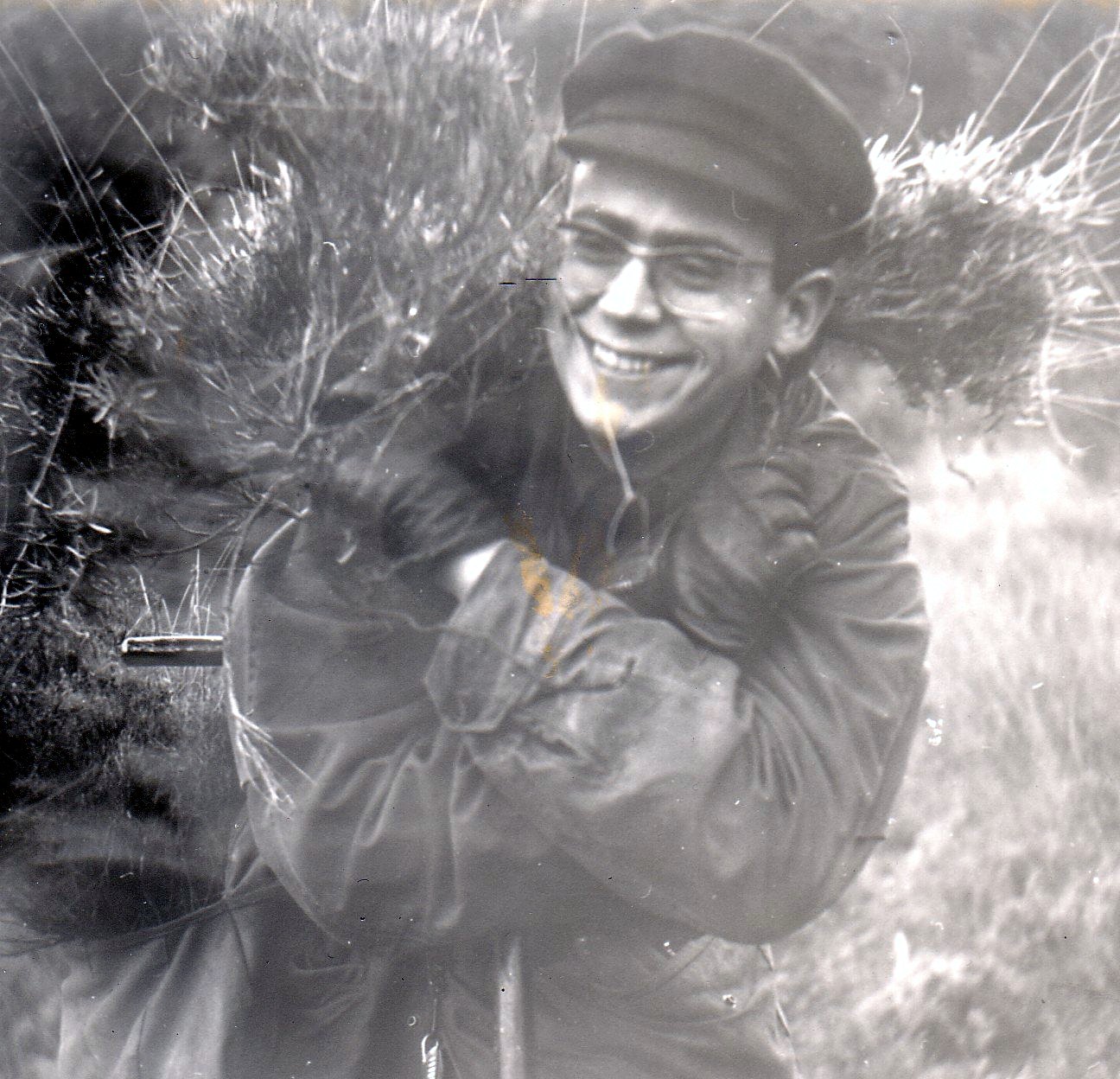
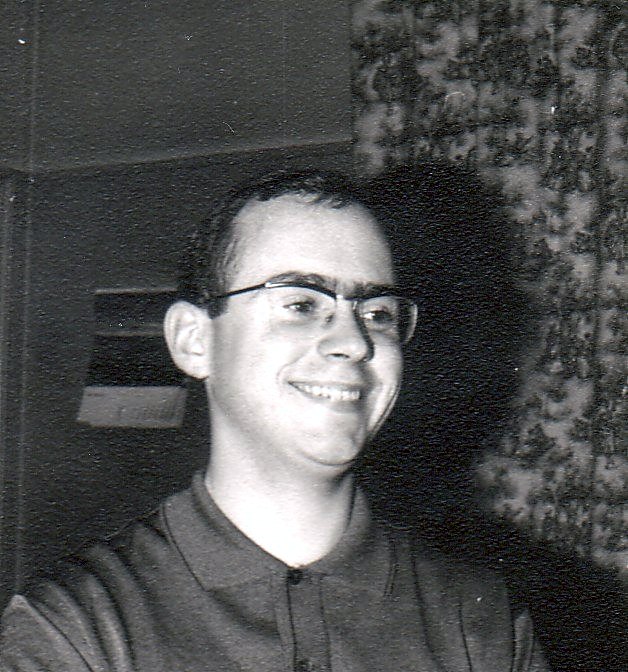
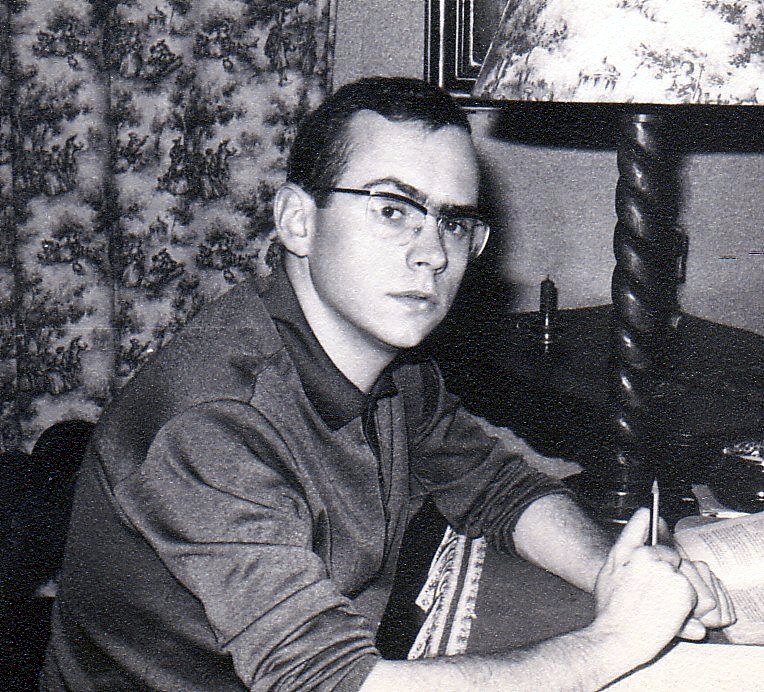
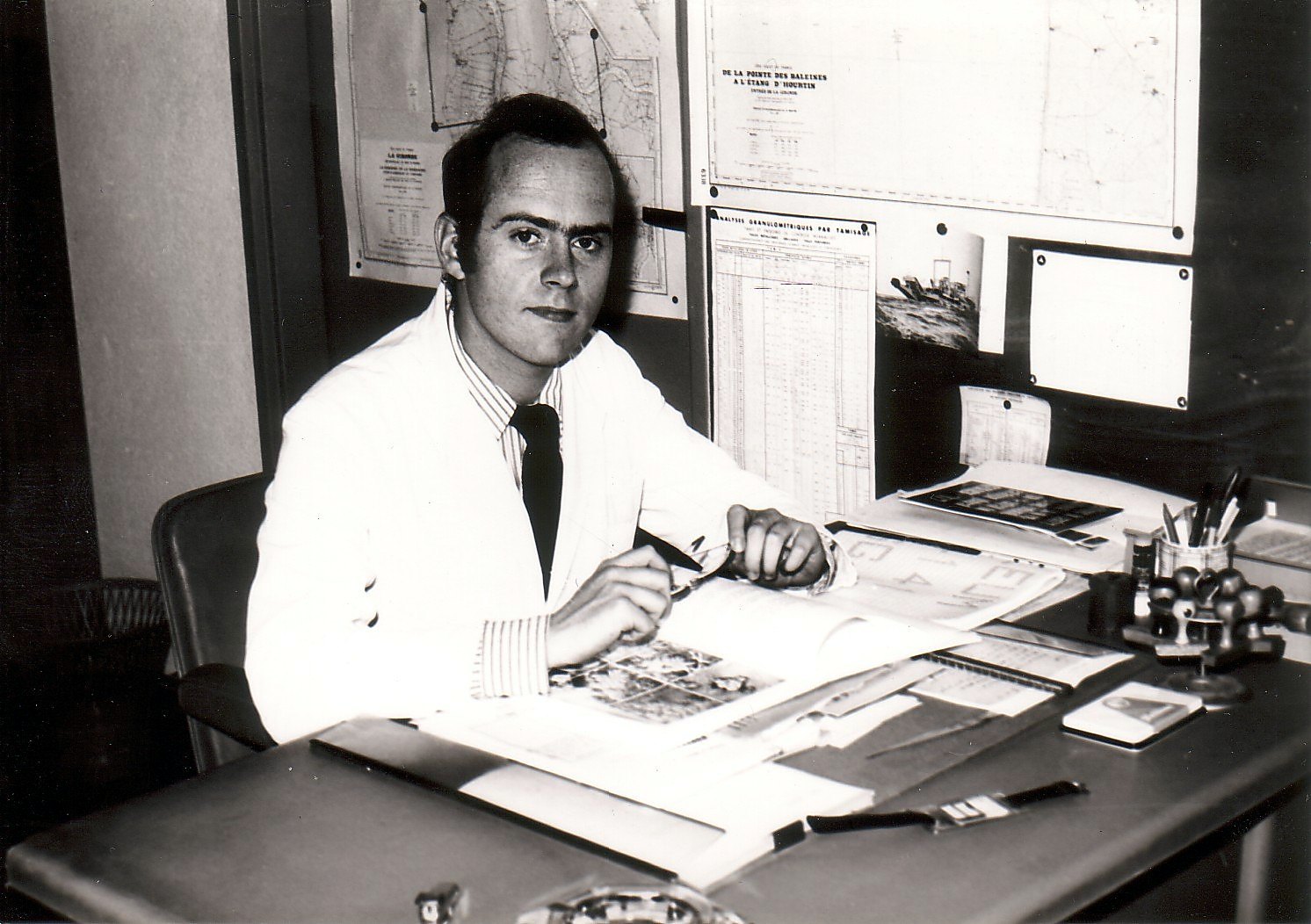
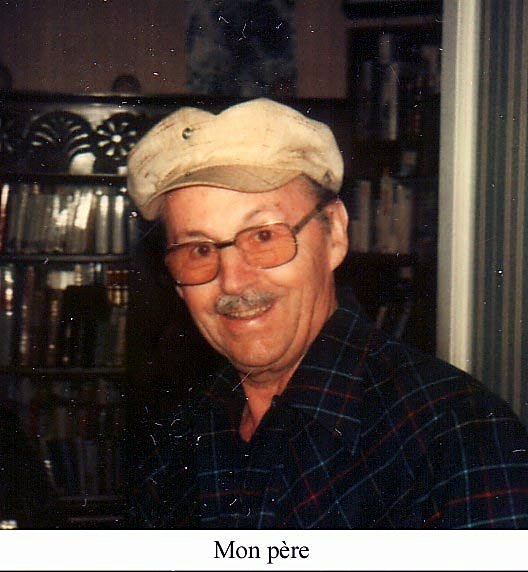
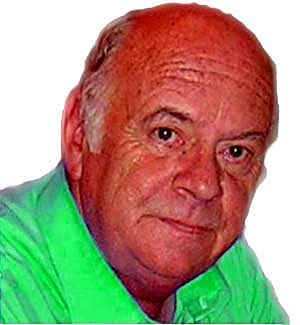
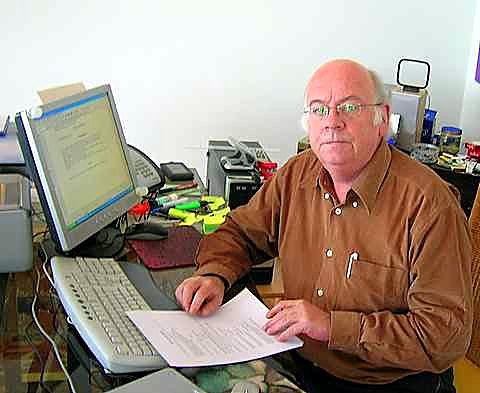
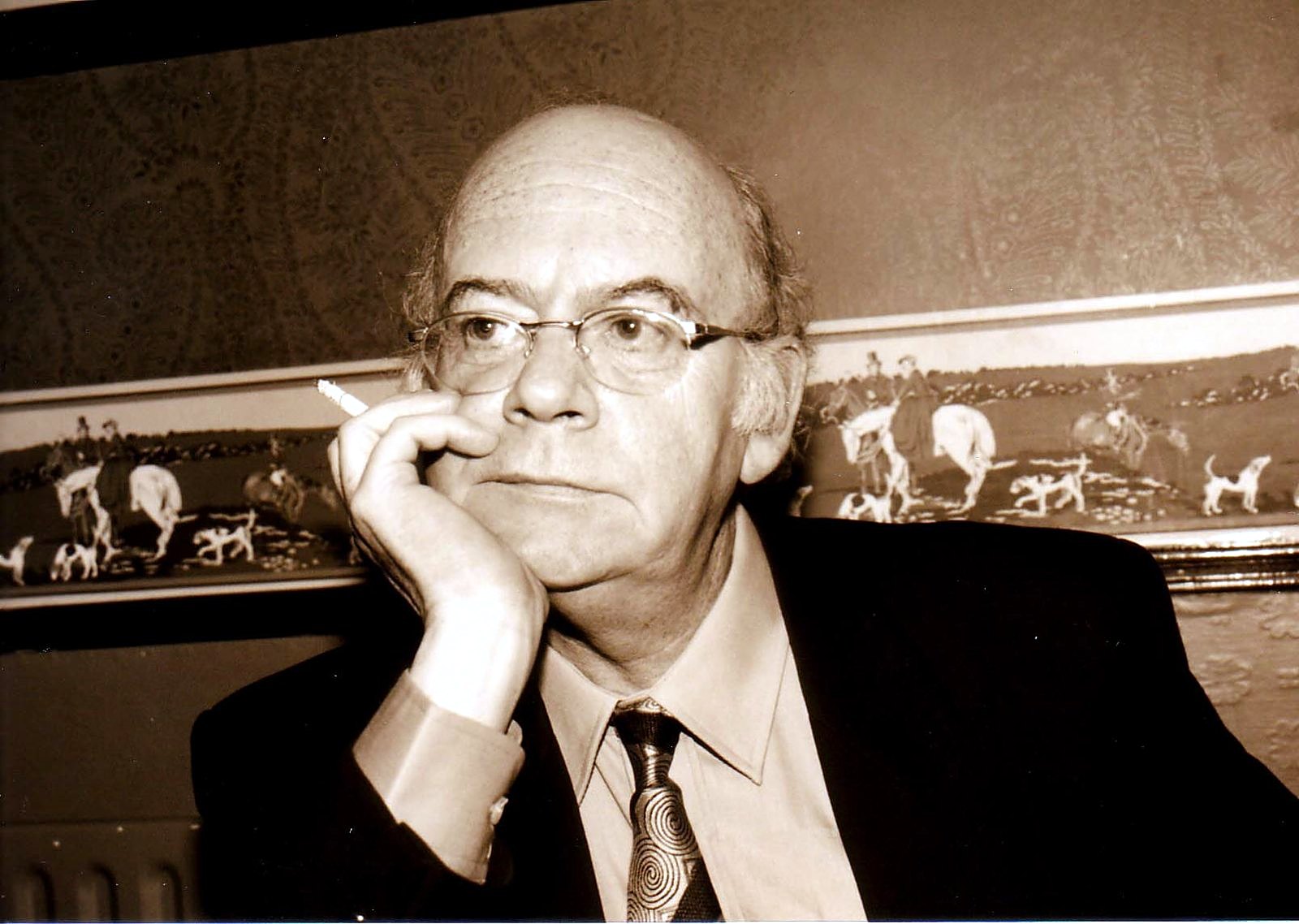
Dr Loïc Le Ribault was born in Vannes in 1947. His mother taught natural sciences and his father taught literature. Those family influences led him to undertake varied and absorbing studies.
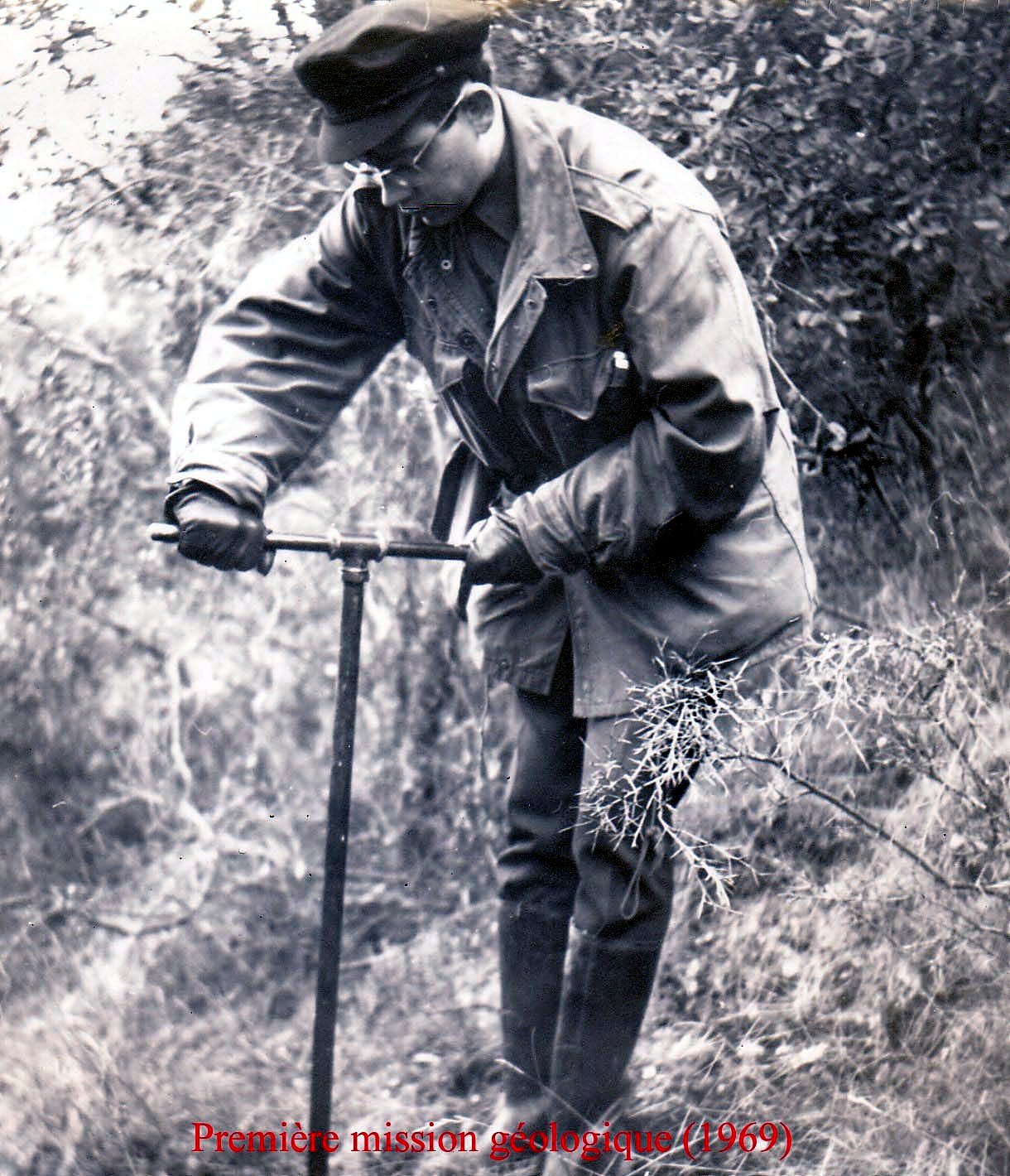
Over nearly twenty years, Dr Le Ribault acquired a range of specialisations. He began his university career with a degree in Literature at the Sorbonne in 1971. The same year he obtained certificates in Oceanography, Ecology and Soil Science, together with a master’s degree in Physical Geography.
In 1973 he obtained a first doctorate in Sedimentology at Orsay, and he completed his studies in 1980 with a State Doctorate in Science, also at Orsay.
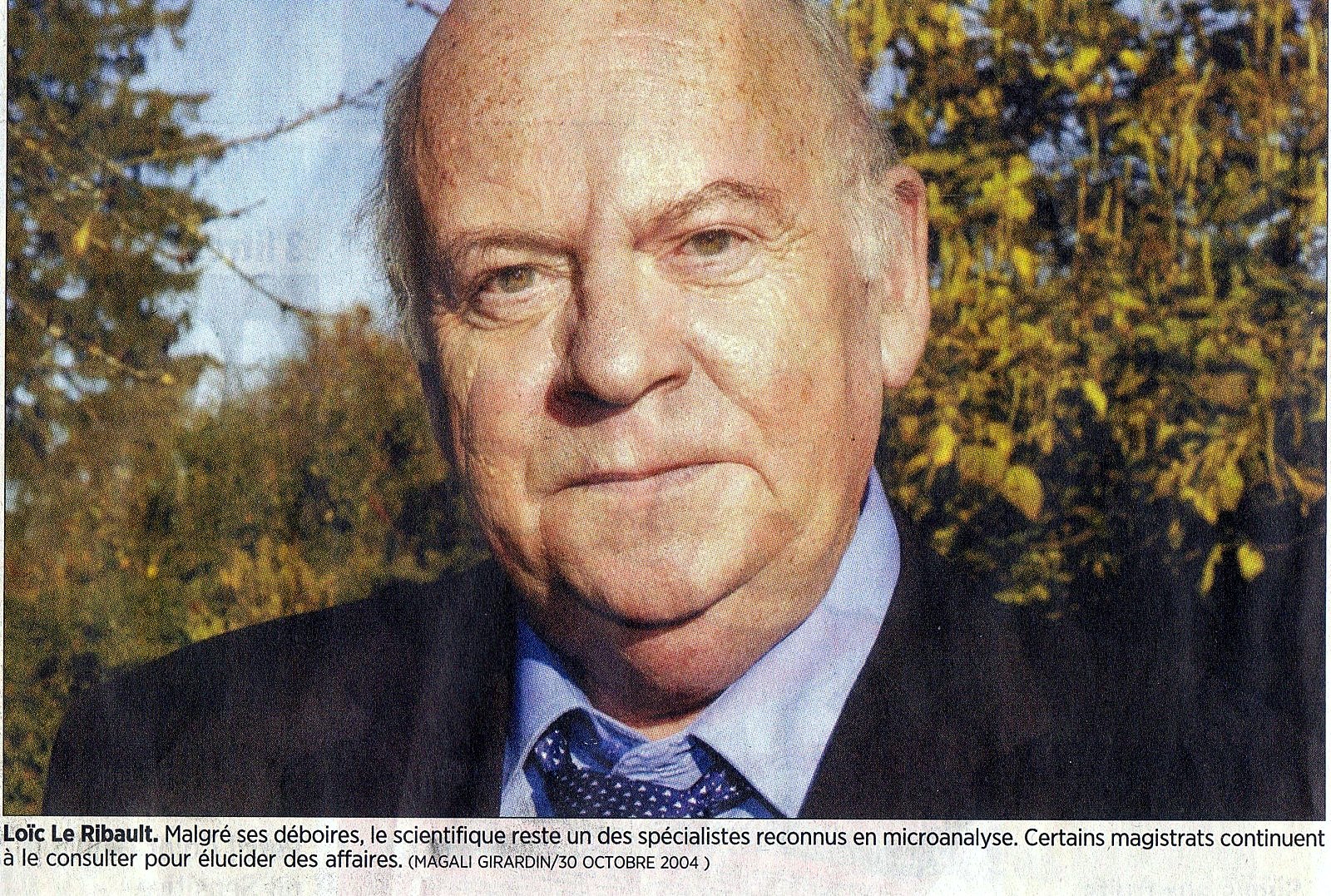
Through his studies and his passion he became an expert in microanalysis before the Bordeaux Court of Appeal from 1984 to 1991, and was also accredited by the Court of Cassation in Paris from 1988 to 1991.
His research, his work and his audacity earned him several distinctions: laureate of the Fondation de la Vocation (scientific research) in 1972, first national prize for innovative business creation in 1983, laureate of the European forum of business founders in 1984, and Aquitaine Man of the Year in 1987.
He did not neglect his literary side: he wrote eleven books and some fifty scientific publications, notably before the Academy of Sciences, on sedimentology, the exoscopy of quartz and microanalysis applied to forensic science.
Over his career he took part in some three hundred lectures in Europe, the United States, Canada and Africa, at universities, police and gendarmerie units, courts of law and scientific associations.
His life was marked by his passion for science and research. He persevered despite the difficulties and contributed to revolutionary discoveries. His life was cut short too soon, but his legacy continues to influence the world of science today.
Gallery