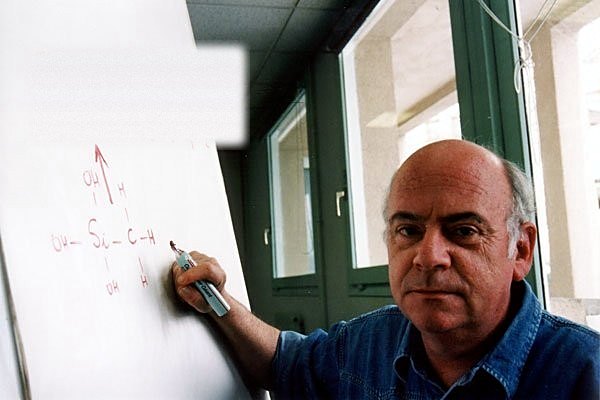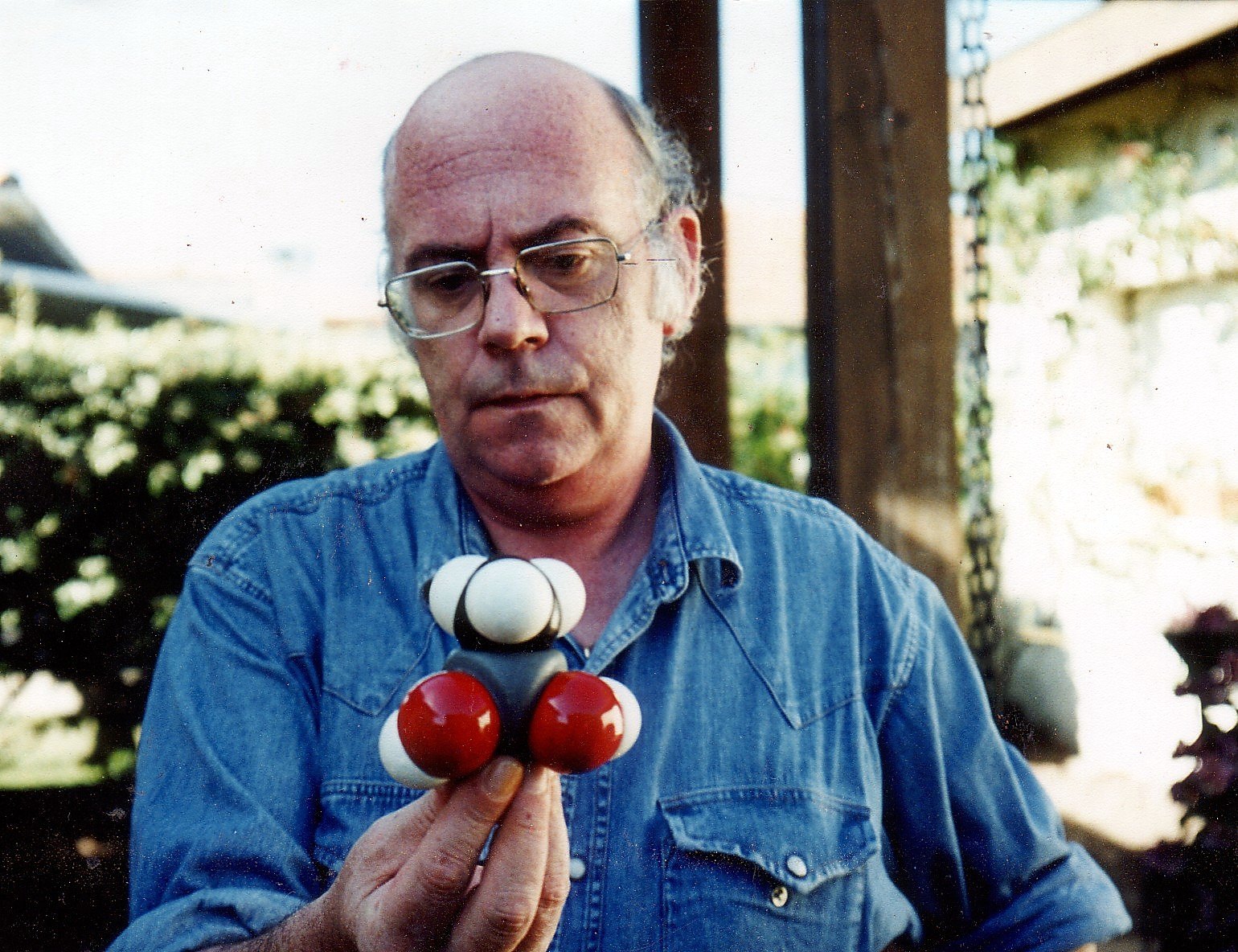
Let us begin with a more scientific view of this fascinating molecule. Organic silicon is a chemical compound containing silicon, an element naturally present in our environment: it is the second most abundant element on Earth, making up no less than 28% of the Earth’s crust.
One of the characteristics of organic silicon is that it is bound to a carbon molecule, and that particularity is what makes the molecule so singular. Any good scientist knows that two elements as bulky and as similar as silicon and carbon ought to have serious difficulty combining, and that is what makes this molecule so curious and mysterious.
Where is silicon found in nature?
Originally, man obtained silicon from food and water. Today that is more complicated: water purification systems have drastically reduced its silicon content, and the processes used to obtain and refine cereals and other silicon-rich foods also affect the amount of silicon they contain.
What are the different types of silicon?
There are many forms of silicon, and they are not all equivalent chemically.
Silicon dioxide
Also called lithogenic or mineral silicon. It occurs in solid form and, as its name indicates, is made up of one atom of silicon and two of oxygen. Its composition makes it insoluble in water. Sand and pure quartz are examples.
Orthosilicic acid
Also called plant or colloidal silicon. It has two main sources. Some plants, such as horsetail, contain colloidal silica which, through a biochemical process, yields orthosilicic acid. The other source is the single-celled micro-algae called diatoms, which live on the ocean floor and secrete an organic acid that dissolves mineral silica, giving an orthosilicic acid of biogenic type.
Organic silicon
Also called monomethylsilanetriol. It is of mineral, lithogenic origin. This synthetic molecule was discovered and stabilised by Loïc Le Ribault in the course of his geological research and thanks to his exoscopy method. Some therefore regard him as the father of organic silicon.
But we must not forget Norbert Duffaut, who was in fact the first to handle this complex molecule and who stabilised it with aspirin. Loïc Le Ribault, for his part, managed to stabilise it by processes of his own, without aspirin. It would therefore be fairer to regard Loïc Le Ribault as the father of modern organic silicon.
Gallery