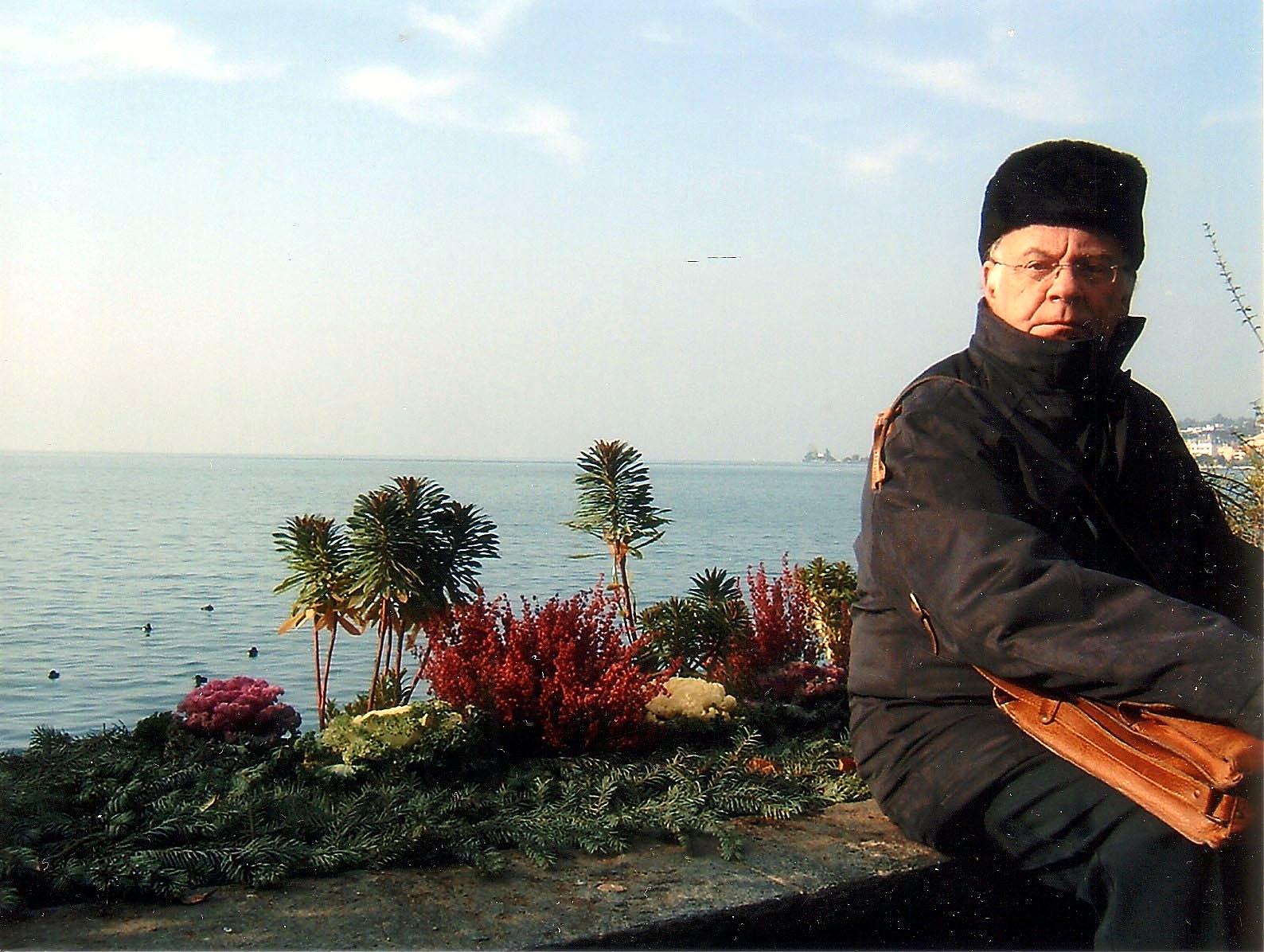
“I dedicate these few photographs to all the anonymous migrants, my unknown companions who are walking toward the unknown at the very moment I write.”
What Loïc Le Ribault tells us, by way of preamble, about this period of his life
Through my book, many readers discovered the names of countries whose existence they did not know or could not place. They asked me what those more or less distant lands looked like, and asked me to post on my website photographs of the places and people that had marked me most and that I mention in the book.
Here, then, is a short illustrated journey through my lands of exile.
I dedicate these few photographs to all the anonymous migrants, my unknown companions who are walking toward the unknown at the very moment I write.
By the classic definitions, I have been since March 1996 a French emigrant who immigrated to Antigua, then to Belgium, Jersey, Ireland and Switzerland, before finally emigrating to Oman.
In eight years on the run (from 1996 to 2003) I covered, mostly without genuine papers, more than 35,000 kilometers and crossed the borders of some fifteen countries about thirty times.
There are millions of us like that in the world, hopping from border to border for the most varied reasons, emigrating or immigrating as circumstances dictate. So I prefer to call us “migrants”: men whose roots have been cut, or who decided to tear them out, or were forced to, and who come and go, leave, return, in a desperate search for a home port where they can finally settle.
Few migrants are migrants by choice. They flee poverty, oppression, loneliness, because of the color of their skin, their religion, their political convictions, openly or in secret. Legally or not. With or without papers. Calmly or with fear in their belly. With or without a trade. With or without money. Alone or not. Their migration is a fight for life, always with the wild hope, deep in the heart, of returning to their native land.
Whether or not they speak the language of the country where they wash up, they will have to adapt, to “integrate”, as they say, and that is never easy.
Because a migrant, you see, a foreigner, a kind of invader, a colonist in rags but a colonist all the same, a piece brought in and not even brought back, must of necessity pretend to love the host country.
Take Ireland, said to be the land of poets. Yes: for those who spend a few days’ holiday there. But few poets stay six years in the Emerald Isle…
There, since I had no choice, I had got used to speaking only English, reading only the English-language press; got used even to the dreadful climate, the permanent damp, the cooking so bland that I forced myself to learn to cook; lost in Mayo, the wildest county in Ireland, the far tip of Europe, I had given up all contact with the scientific world.
To my friends I praised the incomparable smell of a peat fire. For six years I did my best to look the cows and sheep affectionately in the eye. And I had pretended to be content with that life: what else could I do?
Little by little, island after island, I became a balkanised, scattered man. I left bits of my soul almost everywhere: fragments of friendship, shreds of love, sketches of roots in Antigua, in Jersey, in Ireland and elsewhere.
Where, then, will I end my life in peace one day? And for that matter, will they leave me in peace one day? For good?
No fun, being a migrant…