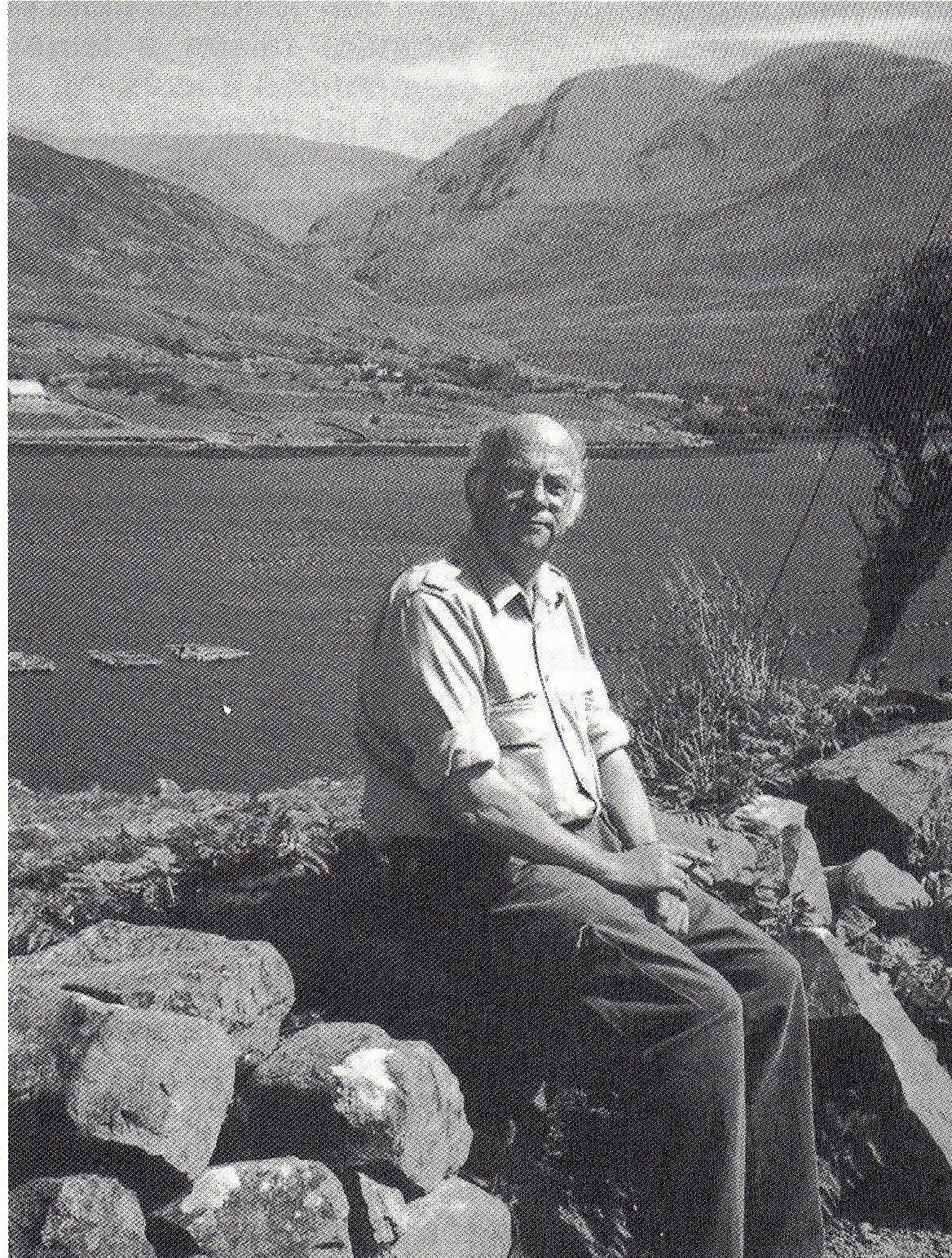
“Of Ireland, to tell the truth, I keep few good memories…”
What Loïc Le Ribault tells us of his time in Ireland
It is the country I came to under duress, because I was threatened in Jersey. Where, alone, without a single friend or even an acquaintance, I had to “make a place for myself” in Mayo, probably the wildest region in Europe. Where, in August 2003, I received the international arrest warrant that forced me to take refuge in Switzerland, where I was arrested.
So I shall simply illustrate two moments of real happiness.
In 2002 I start to dream… I have made friends, I have rebuilt my life. From the Emerald Isle, organic silicon is going out to the whole world. I am going to resume my research.
Perhaps it is time to settle at last and lead a normal life. The life of Mr Everyman, in short. Sprawled in an armchair in front of a good peat fire, a whisky in hand, a smoking pipe and a big affectionate dog sighing with contentment on the rug.
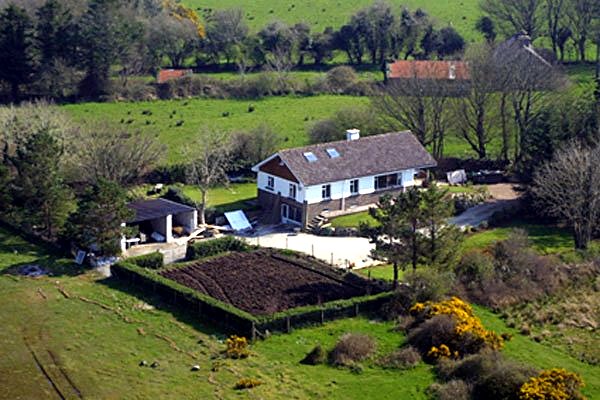
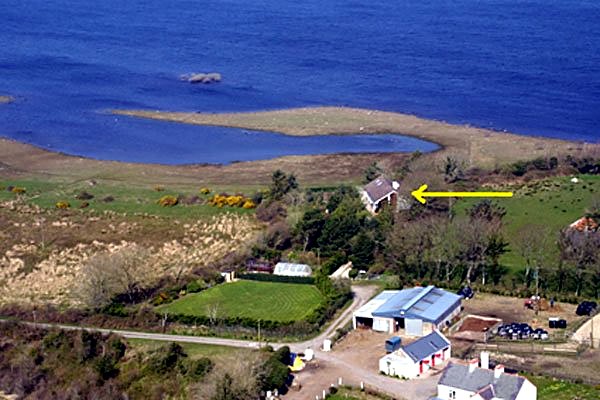
So I look for a nest to shelter this impossible happiness. And I find it! A dream house: ten meters from a lake, far from any town and even any village, in the middle of a bird sanctuary. It is June 2002.
There I am happy. Happy as a king. For a year.
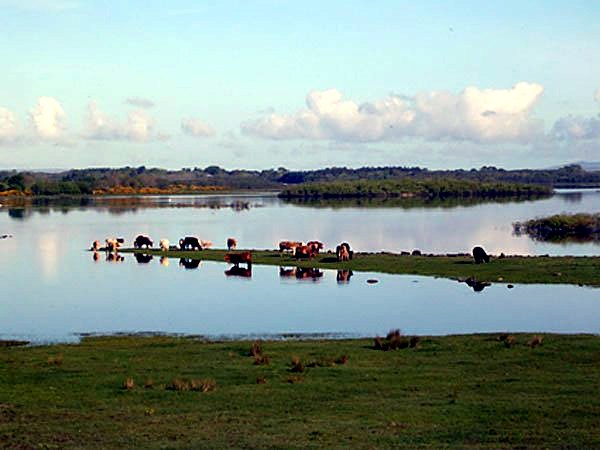
Surrounded only by the sound of a multitude of birds, enchanted by the sight of the pair of hares and their leveret coming every morning to graze my lawn and devour the vegetables in my garden, by the lake along whose shore fat cows and peaceful sheep wander all day long.
I even have a greenhouse and a big vegetable garden where I experiment with organic silicon on the vegetables. And a henhouse where twelve plump hens await a peaceful retirement while offering me enormous fresh eggs every morning. And a fireplace where, from morning till night, a peat fire burns.
Happiness, I tell you. About time, wasn’t it, after seven years on the run? Seven years spent in the absolute certainty that in several ministries certain vermin have not forgotten me; seven years of exhausting nervous tension with a sword of Damocles hanging over my head that cannot fail to fall one day. But when? And how?
A year and a half later I shall be arrested.
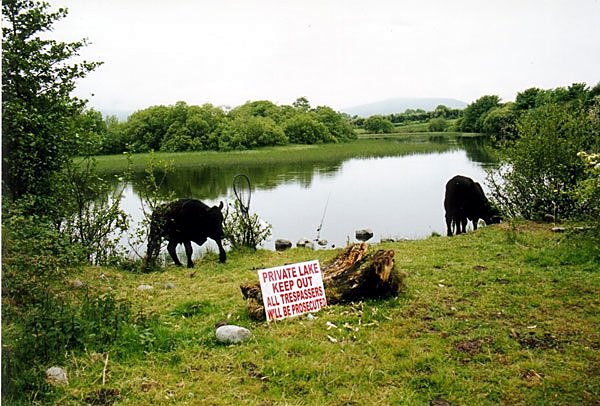
Very near my house I had found a tiny lake tucked away at the end of a rutted track. A big drop of water in the middle of the moors that stretch at the foot of Mount Nephin. A lake almost nobody knows, called Lough Agawna. A haven of peace where I loved to come and rest.
Nature there is intact, probably unchanged for centuries. Morning and evening, hundreds of brown trout, the most beautiful in the world, leap to catch insects. In this preserved paradise frolic swans, herons, ducks, rabbits, mink, moorhens, coots, foxes, badgers, thousands of frogs and tree frogs. There is even a pair of kingfishers, so tame that the male would land on my shoulder as soon as I arrived.
And then there are twelve bulls. Or rather there were. Besides, they were no longer really bulls: they were bullocks.
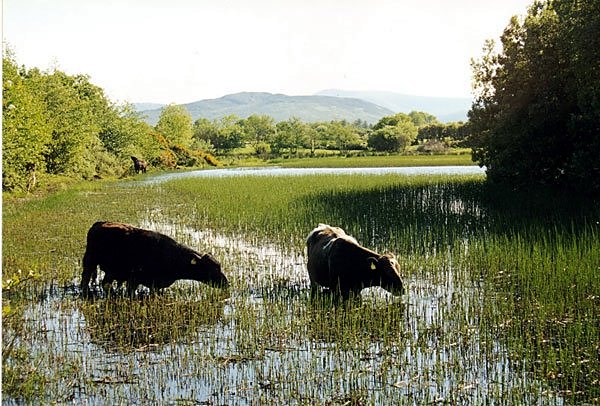
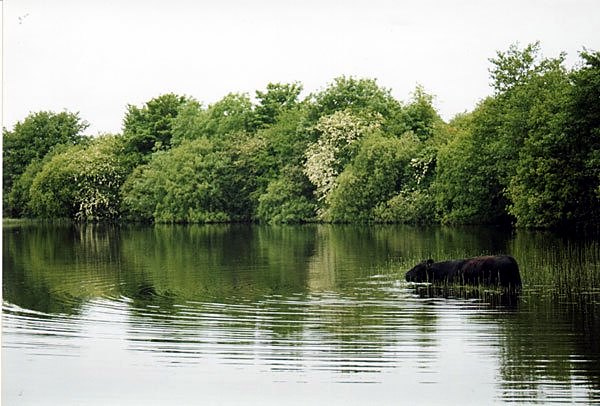
And for a whole summer I watched a fabulous spectacle: the bathing of the bullocks! The first time, for a few seconds, I thought I had been transported to the far end of Asia, where the buffalo bathe in the paddy fields. But no, I pinched myself: I was indeed in Ireland.
All day long “my” bullocks wandered in a group around the lake, except one, an individualist with a white and russet coat, always apart. And then, as if on command, they would walk gently into the water up to their bellies and begin to graze the reeds and horsetails.
I grew attached to those bullocks. And they, I think, to me, forming a circle around my car when I arrived, begging for a stroke or a scratch between the horns. Or rather on the forehead, since, to comply with a stupid European rule, the horns of cattle must now be sawn off, at the risk of causing them serious physical and psychological disorders. But if you think the mental balance of bullocks troubles the technocrats in Brussels, you are mistaken.
In short, apart from having been castrated and dehorned, my bullocks showed hardly any mark of man. They were happy bullocks. Fed on reeds and fresh grass, living in the open air, with never anyone to look after them or disturb them, by what curse could such animals catch mad cow disease?
They had an owner all the same, poor things. One morning my bullocks were not at their bath. There was nobody there. Except the owner, precisely. I asked him where my bullocks were. He answered: “Ah well, they left yesterday…” “Left? Where to?” “To the Factory, of course!”
The Factory, with a capital F, means the slaughterhouse, the hamburger factory. I felt very sad.
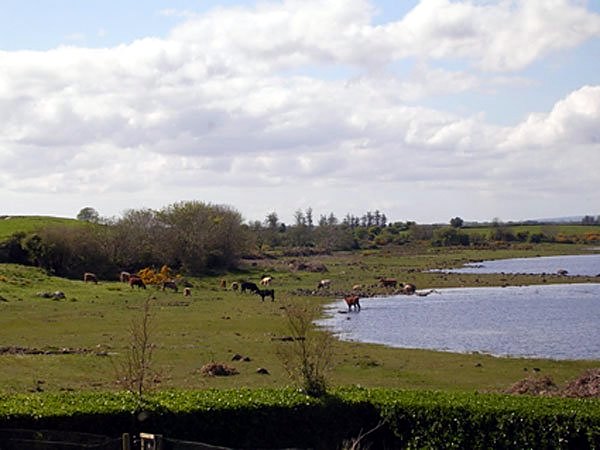
This little story is just to tell you why, in Ireland, the cows are not mad. Because even those without a private lake walk, graze and drink, free, in the hills, the mountains and the plains. There, they have only happy bullocks until their last moment.
On the fatal day they climb unsuspecting into the cattle truck the farmer usually uses to move them to another field when the grass has grown too scarce in their pasture. So off they go, delighted, for one last ride to a place where, they think, the grass is fresher, more abundant and richer. In their imagination they are going off quietly to graze in the lush pastures of the Great Manitou, as the American Indians said before they were massacred by the invaders from the West.
They go without apprehension, relaxed. Until the last second, when they die astonished. At least, that is what I think. In any case, that is what I hope.
Gallery