“My project is simple: to set up a laboratory open to everyone, equipped with scanning electron microscopes and microprobes, run by a high-level multidisciplinary team, available to all those to whom microanalysis may be useful, whether the clients are industrialists, academics or private individuals.”
The founding of the C.A.R.M.E.
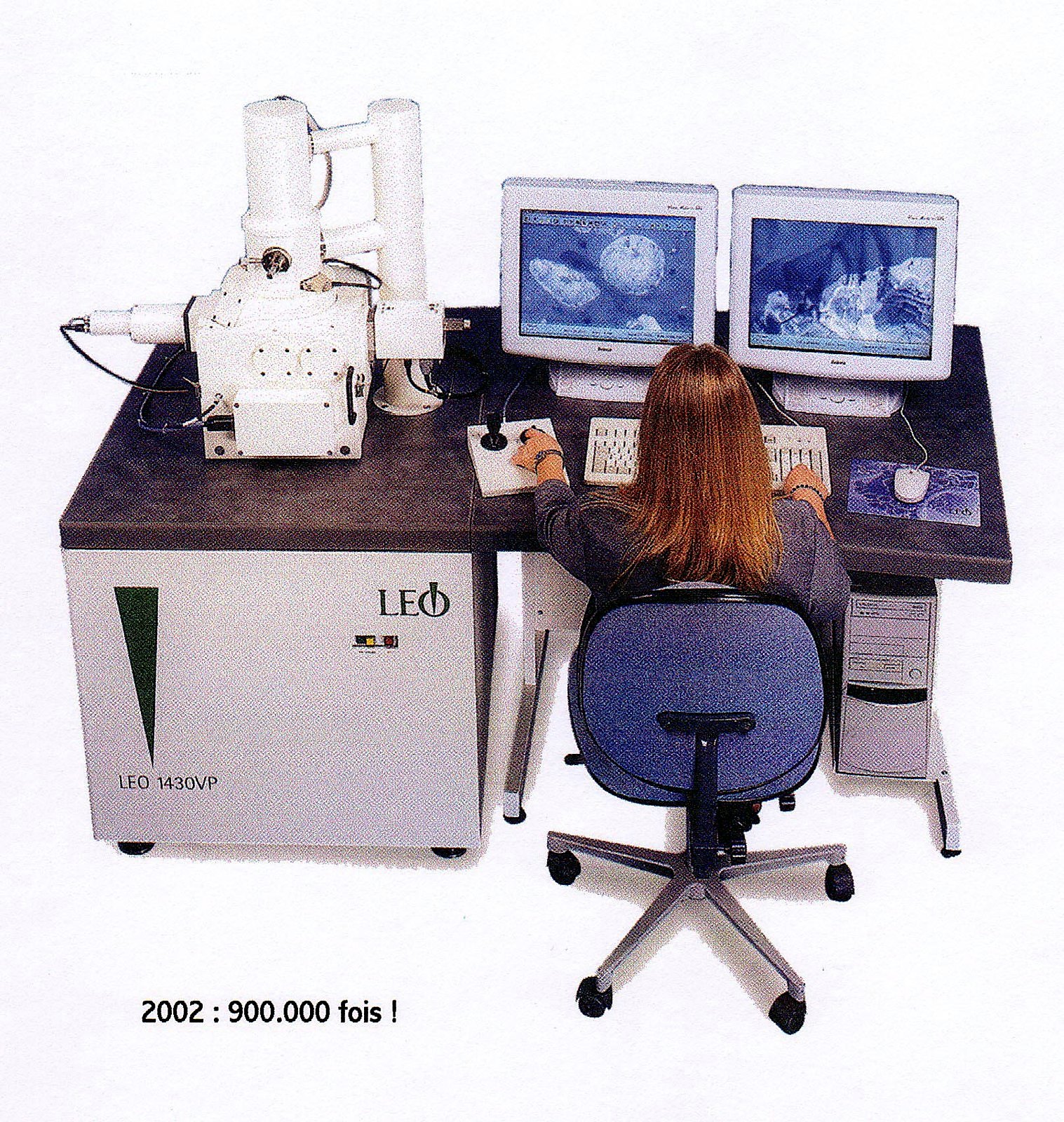
In the 1970s Loïc Le Ribault developed a revolutionary method for analyzing sand, exoscopy, which traces the geological history and origin of sands by examining them under the scanning electron microscope.
In 1973, convinced that a public service specialising in microanalysis was needed, he prepared a complete dossier and submitted it to the competent authorities. His attempts to obtain the support of the French State failed.
In 1979, during a lecture tour of the United States, he presented his project at a congress in Washington and voiced his disappointment at the lack of support in France. He was offered the chance to set up his laboratory in the United States; he declined. Back in France he kept knocking on the doors of interested bodies and met with one refusal after another.
The CNRS considered him too old; the Ministry of Research ignored him; the Ministry of Universities congratulated him but disliked the idea of offering his services to industry; the Ministry of Industry liked the idea but refused to let him pursue his own research while working for industrialists; and the DGRST found it odd that his method could be used in fields as varied as archaeology, oceanography or mineral prospecting.
As a last resort he wrote to the President of the Republic, Valéry Giscard d’Estaing, to express his frustration. His idea was then taken into consideration, with some reluctance over the approach, judged aggressive. A commission was set up and exoscopy was discussed. The commission ended by acknowledging that the method was excellent, but considered Loïc Le Ribault himself a problem: too unpredictable and untameable. Unable to obtain support, he decided to go it alone and left his post at Total.
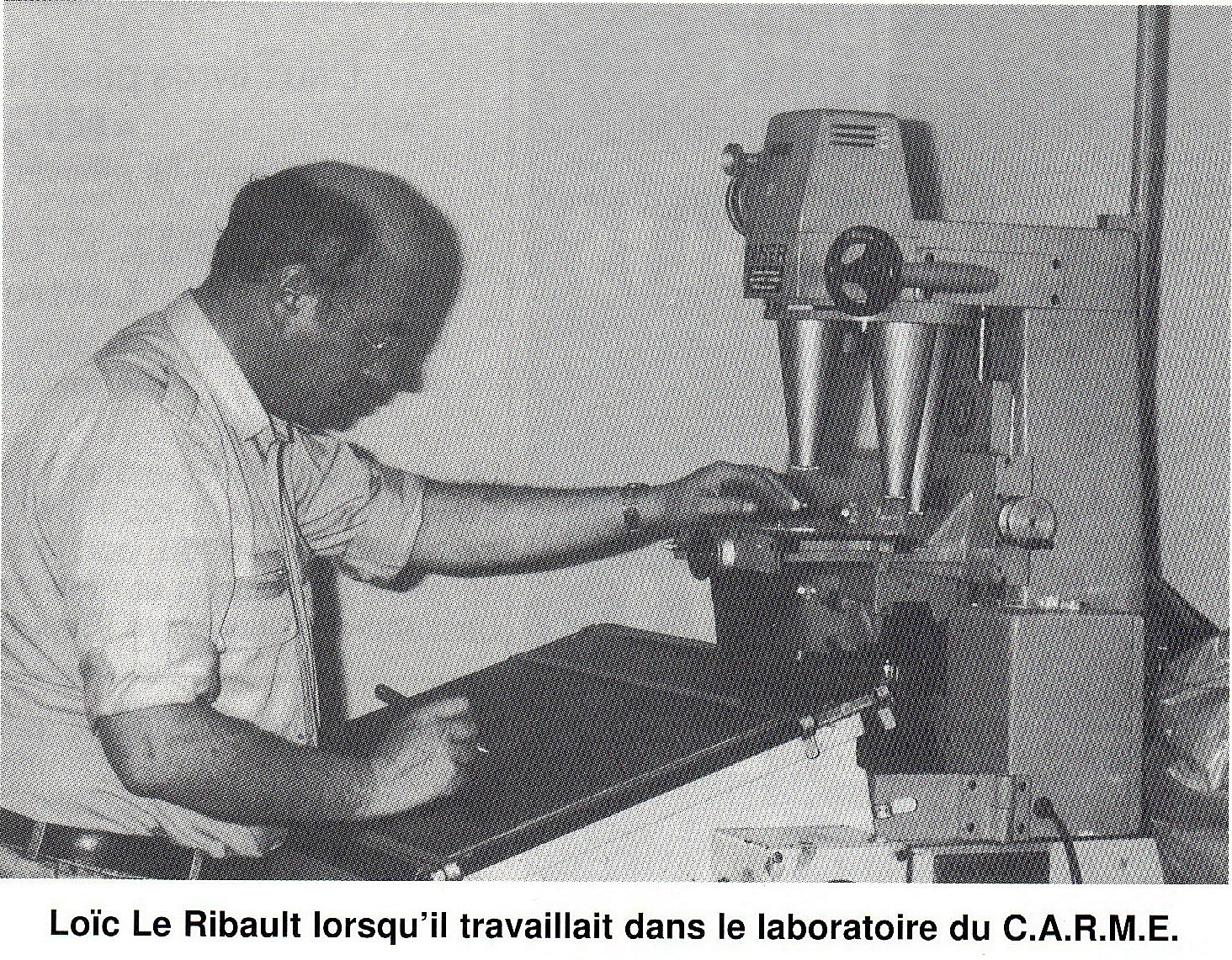
He founded the C.A.R.M.E. on 1 September 1981, but the road was strewn with obstacles: no management experience, no money and no network. His determination did not waver. By selling his possessions and taking out carefully considered loans, he raised the funds needed to open the laboratory.
The C.A.R.M.E.
“A giant of the infinitely small”
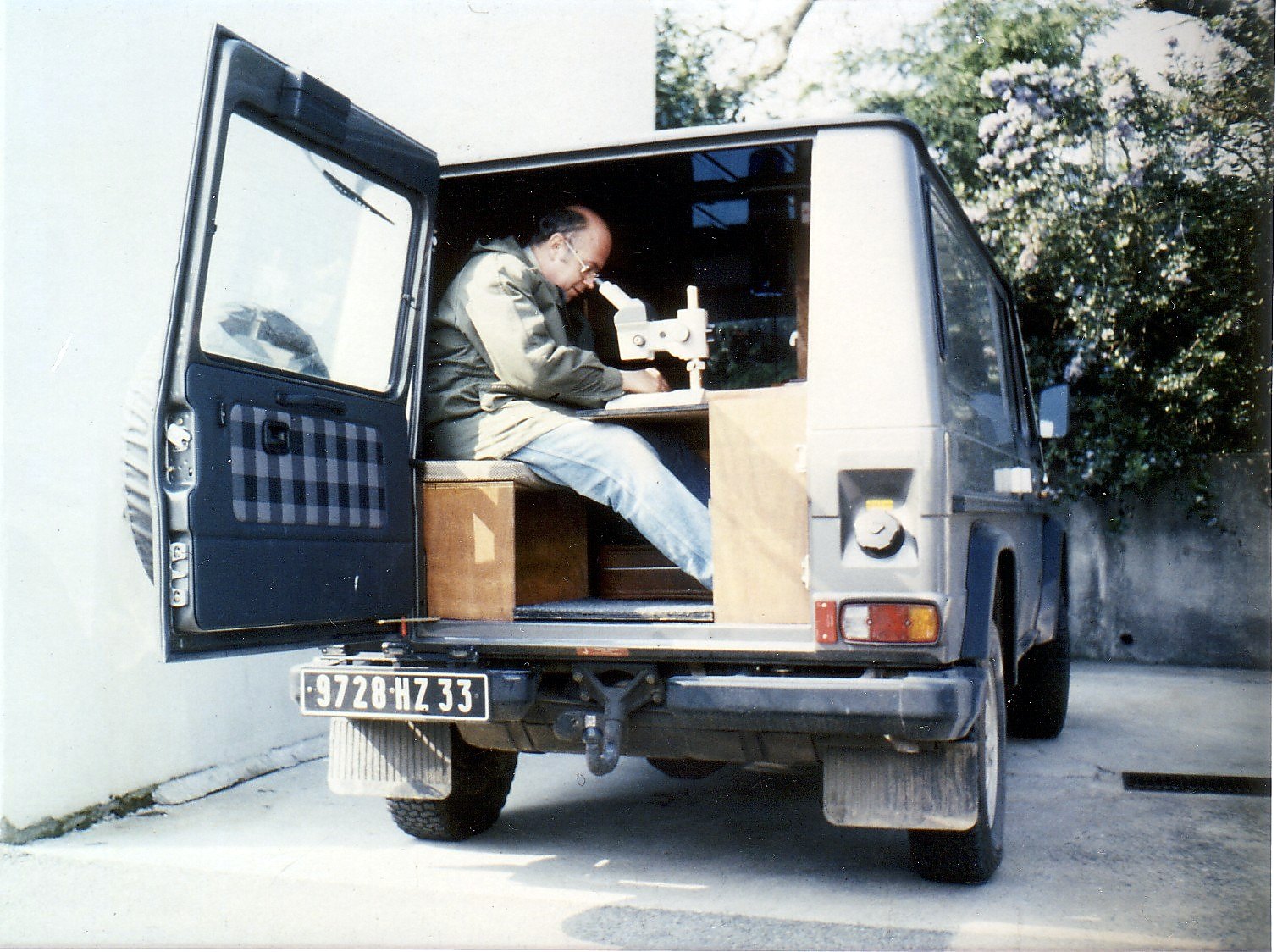
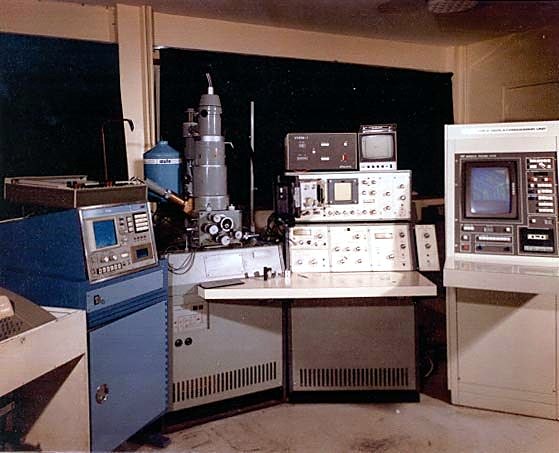
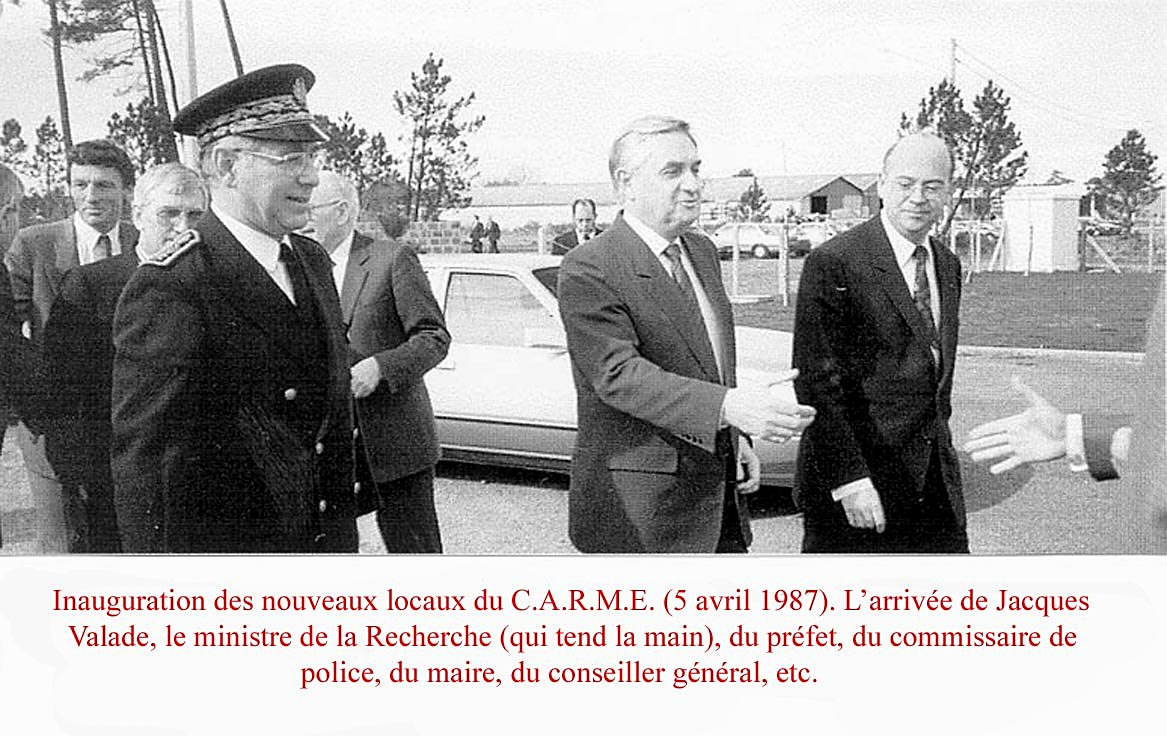
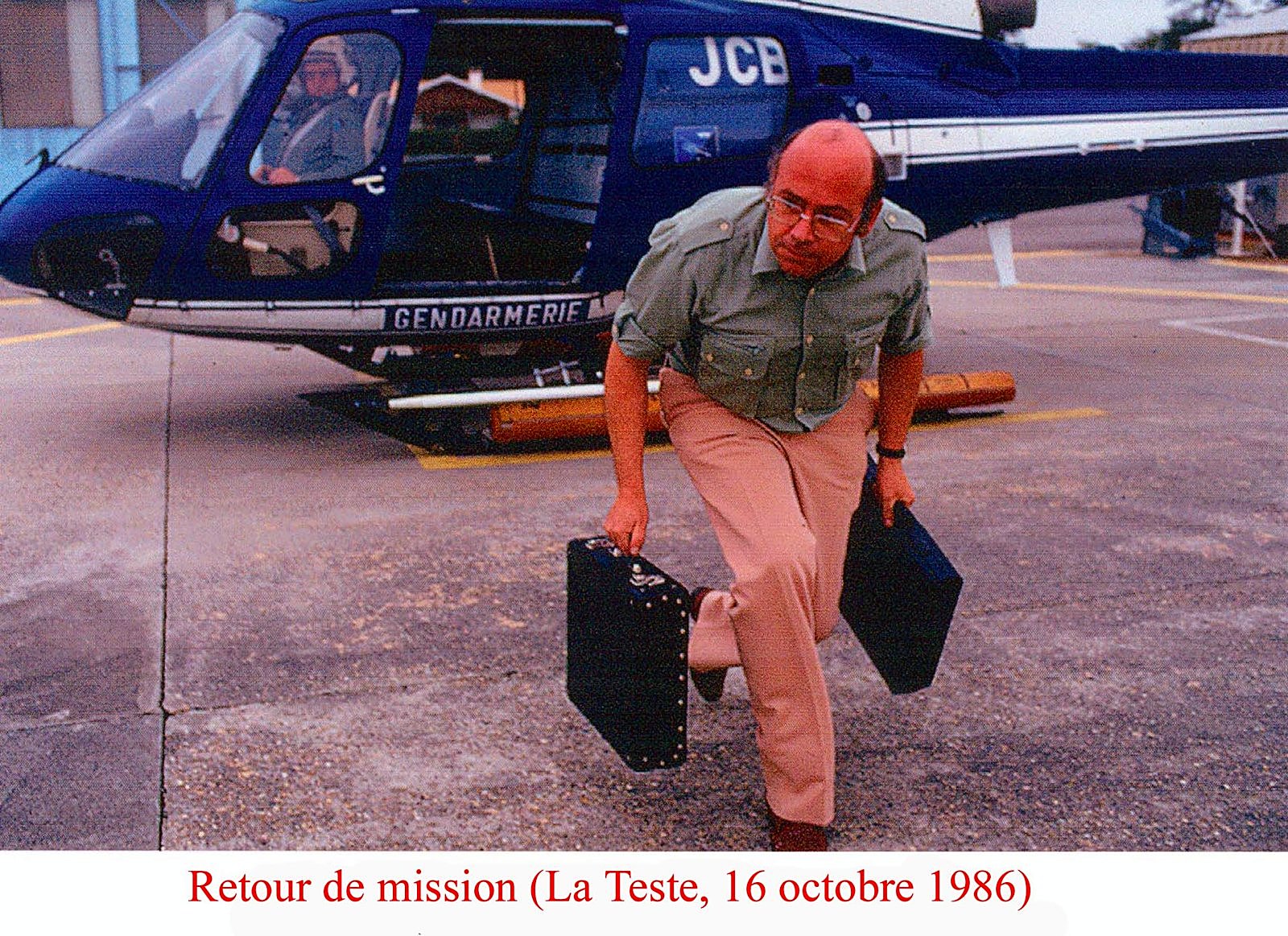
In 1981, Loïc Le Ribault created the C.A.R.M.E., the first private laboratory specialising in microanalysis, at La Teste in the Gironde. In a short time the laboratory built an excellent reputation by solving complex problems in fields as varied as biology, electronics, metallurgy, chemistry, geology, works of art, aeronautics, armaments and medical research.
The C.A.R.M.E., which worked among others for the army, was considered a high-risk organization in terms of espionage. The Direction de la Surveillance du Territoire (D.S.T.), the French counter-intelligence service, had the task of gathering information on all national companies likely to interest foreign countries and of alerting scientific and business leaders to the risks of espionage and of intellectual and technological plunder.
So it was that in 1982 a D.S.T. inspector called at Loïc Le Ribault’s office for two reasons: to carry out his information duties and to put a particular problem to him. The D.S.T. had just caught a foreign intelligence agent in possession of two suspect products. One was a white tablet bearing a pharmacist’s-mortar design and the inscription “Métaspirine”. Doubting the reliability of the analyses done by its own police laboratory, the D.S.T. asked Le Ribault to check the composition of the tablets.
An hour later the scanning electron microscope delivered its verdict: the tablets contained no aspirin but a product similar to a photographic developer. Le Ribault later found that, mixed with the other product the D.S.T. had intercepted, the fake aspirin made it possible to write undetectable messages on paper by a specific process. The discovery earned him an exceptionally rare official letter of thanks from the director of the D.S.T., dated 30 July 1982, for having provided valuable information on a discreet means of communication used by a foreign agent neutralised in France, and for the way knowledge of the process allowed the D.S.T. to detect further activities liable to harm national defense.
The C.A.R.M.E. in a few words
93%
Between 1983 and 1991, some 1,500 court cases were handled, with a success rate of 93%.
20,000 francs
Loïc Le Ribault’s services to the courts were free of charge; he even donated P.P.M. kits worth 20,000 francs to the judicial police training center at Fontainebleau.
Lectures
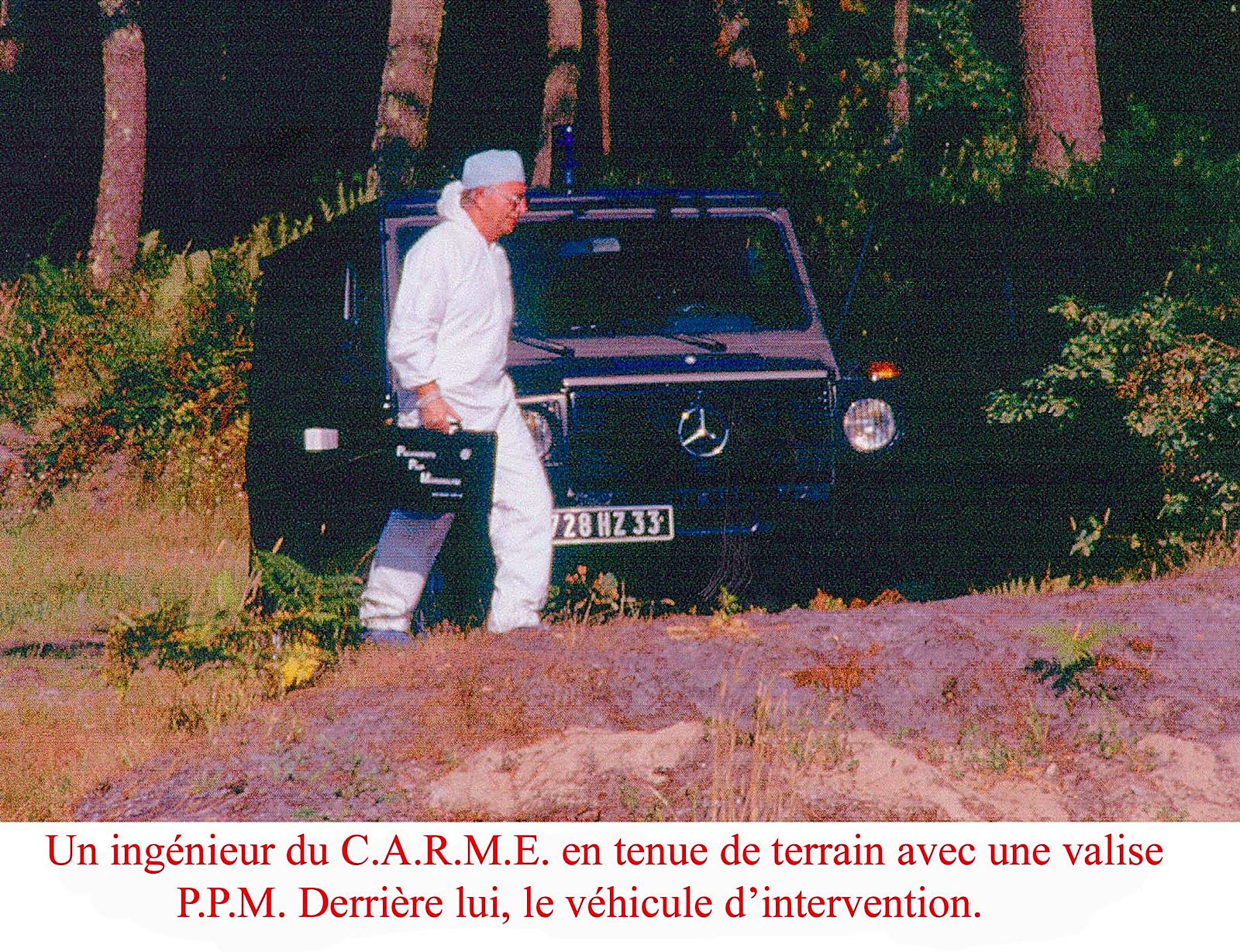
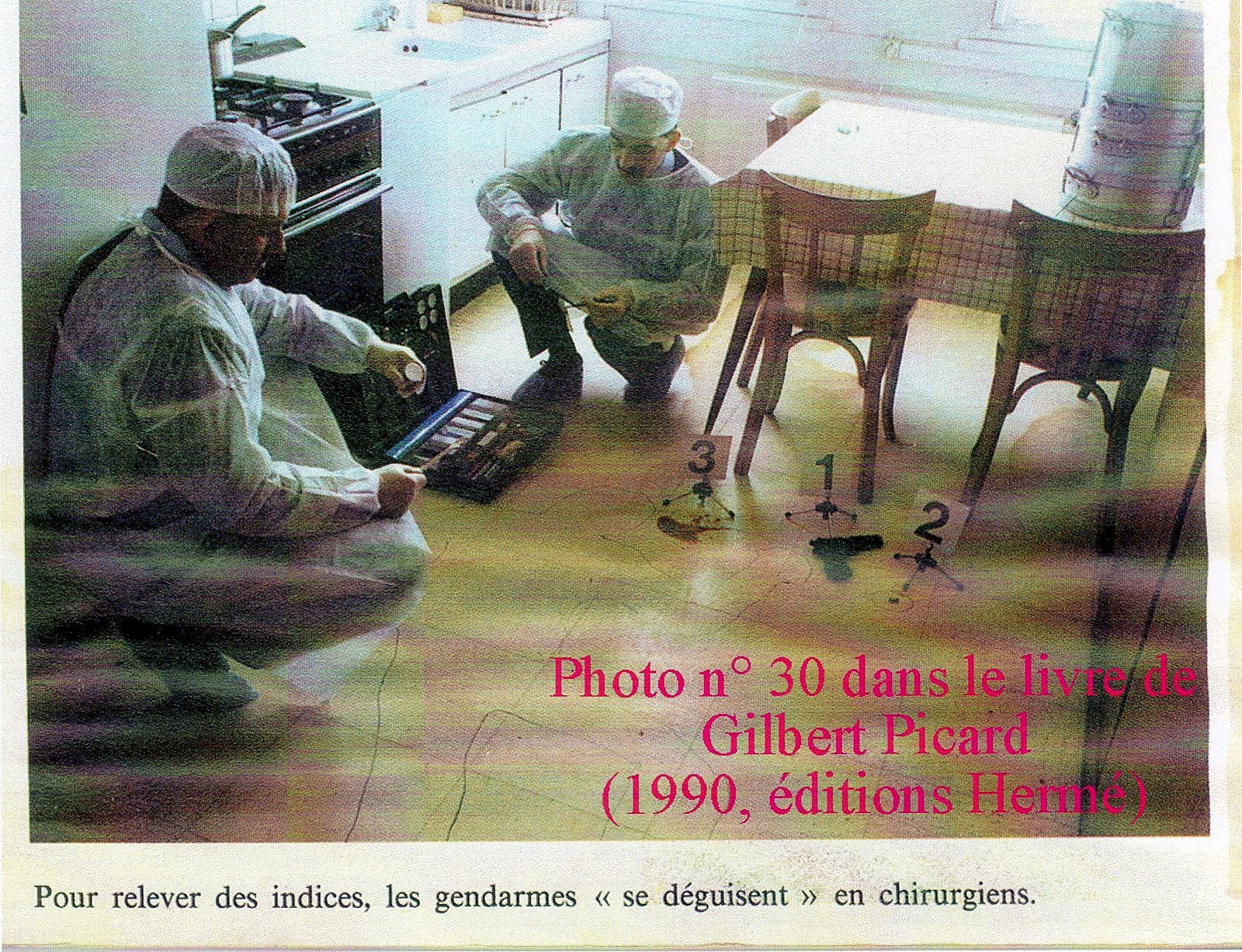
Loïc Le Ribault took part in and organized lectures and training courses on microanalysis and field sampling techniques for magistrates, gendarmes, forensic pathologists and police officers.
France
The laboratory helped raise the international standing of French forensic science.
Gallery