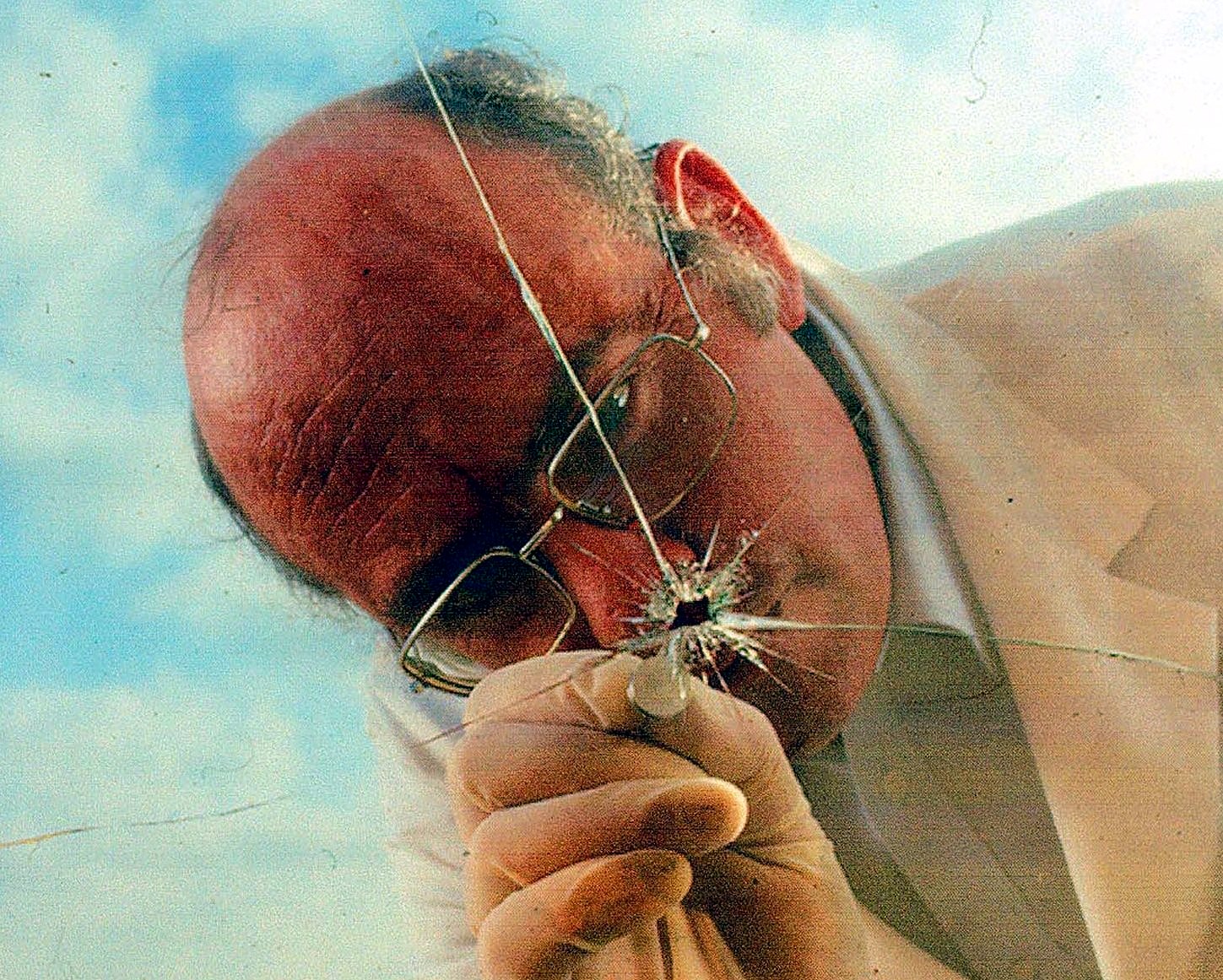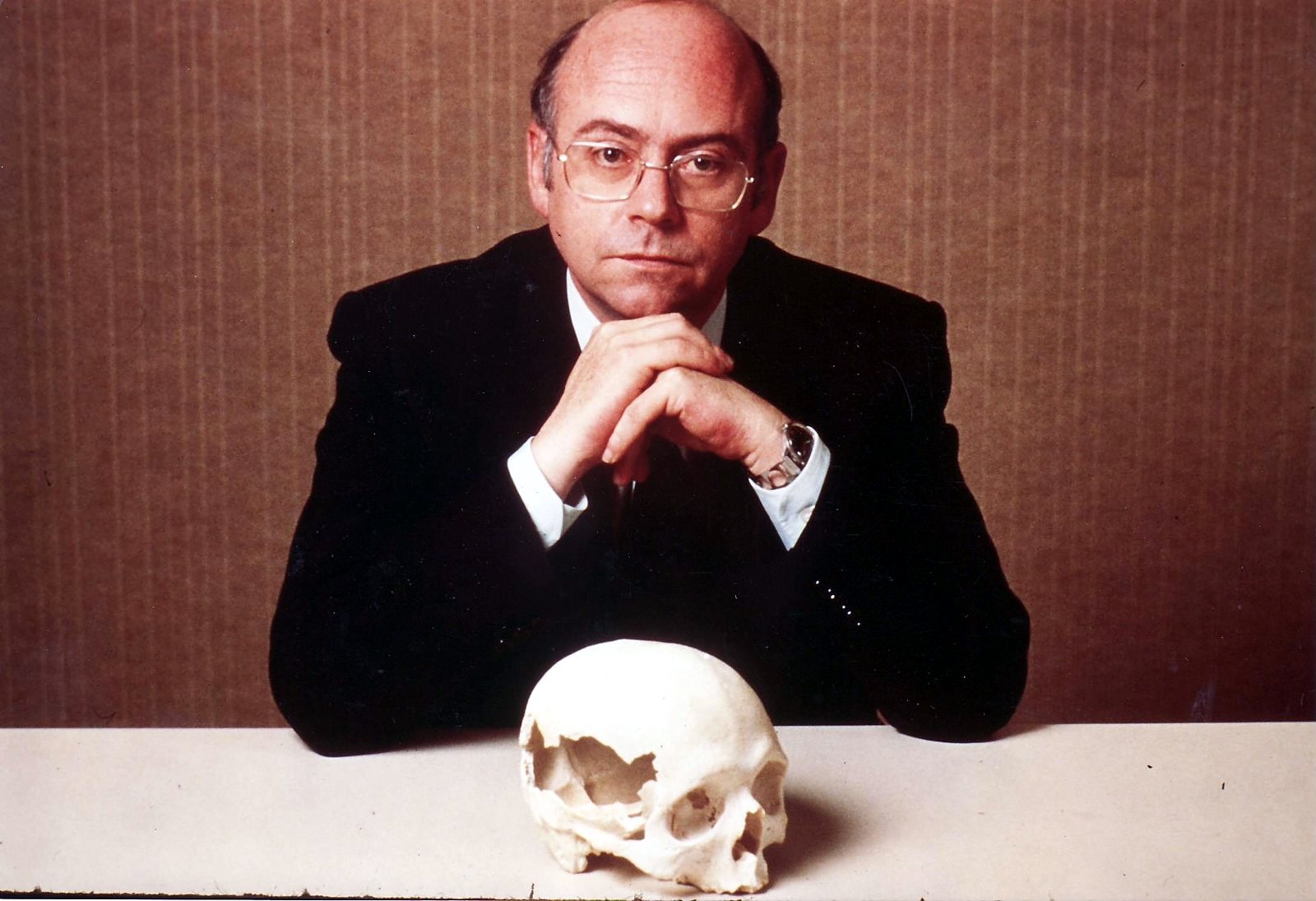
“In other words, by revolutionising the system I was going to upset practically the whole judicial institution. And annoy everybody.”
The D.S.T. and the C.A.R.M.E.
The D.S.T., satisfied with the results Dr Le Ribault obtained in several cases, began to spread word of the C.A.R.M.E.’s capabilities in judicial circles. By word of mouth, the first assignments came to him from magistrates faced with cases impossible to solve by traditional methods.
From 1983 it was clear that the C.A.R.M.E. could be useful not only to industrialists in difficulty but also to magistrates and to police and gendarmerie investigators.
For what does one find at a crime scene? Anything and everything. A heap of material evidence from lives shattered by a violent and unexpected event. The scene always holds traces that must be found and exploited. The investigator’s work is like the geologist’s: from the elements found, he must try to determine the conditions that prevailed in a given environment at a given moment in the past.
At the C.A.R.M.E., Dr Le Ribault already had a multidisciplinary team of specialists in geology, sedimentology, metallurgy, biology, chemistry, works of art and electronics. Aware of this potential, on 10 November 1983 he wrote to Professor Ceccaldi, director of the Paris police prefecture laboratory, to propose a collaboration. The professor replied courteously that no police laboratory in France had a scanning electron microscope or a microprobe, and that technical cooperation to study specific problems would be desirable.
Encouraged, on 13 January 1984 Le Ribault wrote to Gaston Defferre, then Minister of the Interior, offering analyses of dust, soils, bones, bullets, metals, micro-organisms and so on, and asking for a meeting to present in detail his program for renovating French technical and scientific police work.
Six months passed without a reply.
Only after the intervention of the deputy Kléber Haye was Le Ribault finally received, not by the minister but by Georges Simonin, head of the central judicial identity service, who told him he had no decision-making power and no means of action, that he knew of “great things” in preparation, and that all he could do was inform the police laboratories of the existence of Le Ribault and his laboratory. He was, however, very interested in any documents Le Ribault could provide about his current activities and research.
Six days later Simonin received five copies of a thick dossier setting out all the applications of microanalysis to forensic science. No acknowledgement came. Undeterred, in February 1985 Le Ribault wrote to the central director of the judicial police offering to host police technicians free of charge and train them at the C.A.R.M.E.
The generous offer did not convince. Yet two months later Joxe, Defferre’s successor at the Interior, abruptly described the state of the technical and scientific police as “depressing” and launched his noisy “project for the renovation of scientific policing”, which simply took up the main lines of Le Ribault’s dossier. To carry out the program Le Ribault had offered for free, Joxe had 170 million francs (26 million euros) released.
The F.B.I. and the C.A.R.M.E.
While the French police ignored Dr Le Ribault’s offers, the FBI, the American federal police, took a close interest in his work, in particular exoscopy.
The doctor’s claims nonetheless seemed unrealistic: reading the memory of grains of sand had never been done, not even in the United States. The only proof of the method’s reliability would be to study unknown samples of sand, determine their geographical origin and discover, at the place indicated, clear material evidence confirming the conclusions. So the FBI asked Le Ribault to put his exoscopy to the test.
A few days after their first contact, Dr Le Ribault received three samples of sand with this message: “These sands were collected at three different places on the planet. What is their history and where do they come from?”
Here are Loïc Le Ribault’s answers, with the real origin of each sample:
Sample 1
Answer: a mixture of coastal sands from the east coast of the United States.
Real origin: a deliberate mixture of sands collected over 300 kilometers along the east coast of the United States.
Sample 2
Answer: a volcanic sample evolving under a temperate climate, most probably from Mount St Helens, collected from a flat surface.
Real origin: a sample from Mount St Helens (temperate climate) collected just after an eruption from the bonnet of a car.
Sample 3
Answer: a sample from a Middle Eastern city surrounded by limestone rocks and subject to marine influences; it has undergone a brutal mechanical phenomenon of explosive type and non-natural origin.
Real origin: quartz grains collected from the debris of the truck bomb that blew up the American embassy in Beirut.
The FBI specialists, astounded, entrusted Dr Le Ribault with a mission: to find the place where the body of a DEA agent, the federal drug-enforcement agency, had first been buried, since it had clearly been exhumed and moved to the spot where it was finally found.
The exoscopic analysis of quartz grains taken from the decomposing body pointed, on a map of Mexico, to the site of the first burial, 150 kilometers from where the body was discovered. The reliability of the result was proved by the material evidence (fragments of clothing) found in a dig near the spot indicated by Le Ribault.
In France, many other official proofs of the reliability of exoscopy would later be provided in various criminal cases.
Loïc Le Ribault and the gendarmerie
In 1985 the gendarmerie was in serious trouble: it was still suffering the after-effects of the Grégory affair and, in the eyes of the public, the gendarme remained the mere towel-bearer of the police, with an ineffective public-relations service doing nothing to correct that disastrous image.
One fine day that year, Dr Le Ribault was surprised to see a gendarmerie officer arrive at the C.A.R.M.E.: Captain Laval, head of the Bordeaux investigation section.
Le Ribault then discovered something that, like most French people, he had not known: the gendarmerie in fact plays the same role as the police in criminal investigations, with specialized units for the purpose: investigation sections, investigation brigades and even, in small localities, investigation teams.
The two main differences between police and gendarmerie:
- The police come under the Ministry of the Interior, the gendarmerie under the Ministry of the Armed Forces.
- The police sector is limited to towns of more than 10,000 inhabitants; the gendarmerie covers every locality below that figure.
In practice this separation is very theoretical: in an investigation the magistrates are in charge and may entrust the case to the police or to the gendarmerie as they see fit.
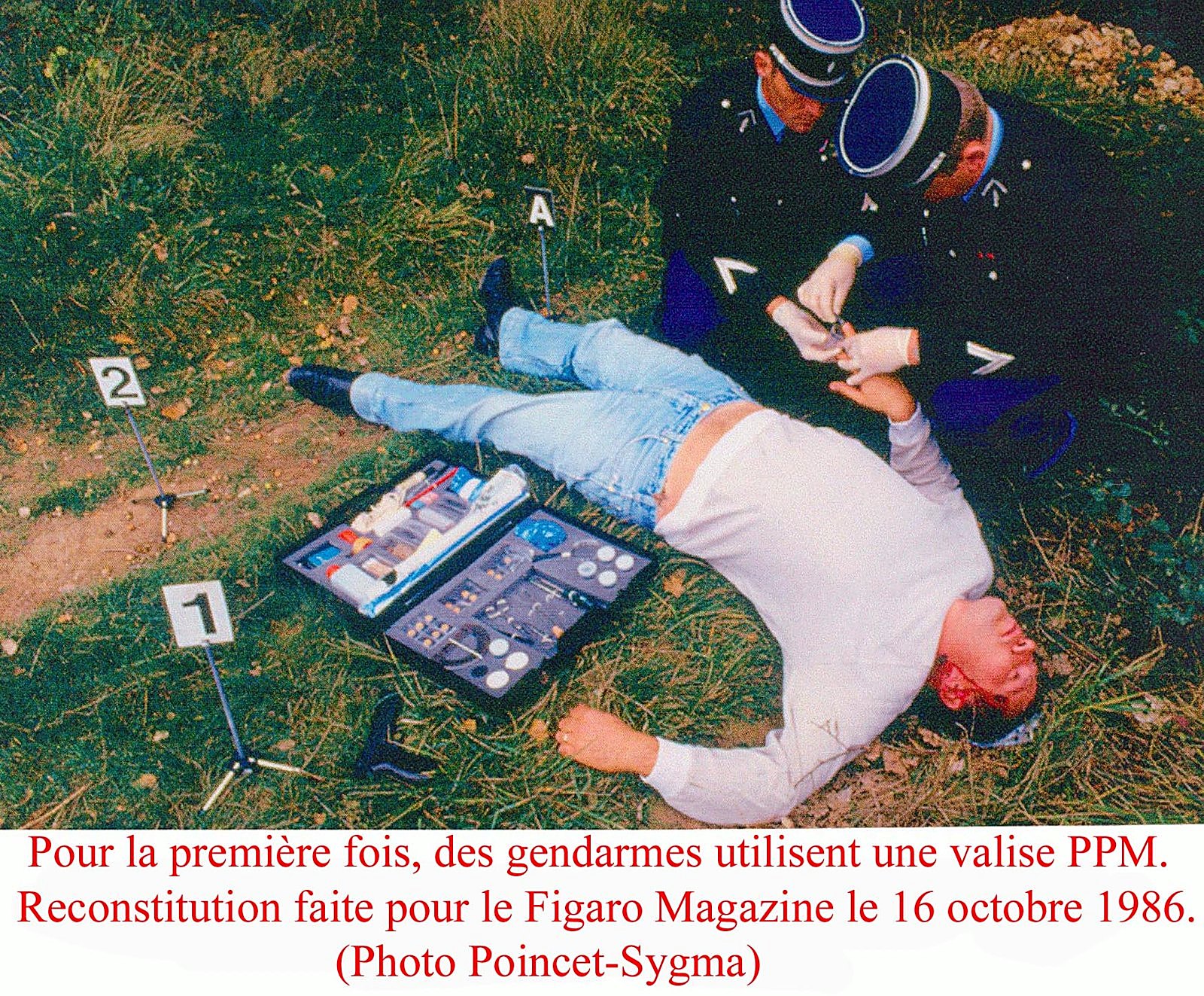
Dr Le Ribault also learned that the gendarmerie suffered from a serious handicap: it had no laboratory of its own and had to entrust the analysis of the material clues it collected to the police laboratories, which naturally showed little eagerness to do the work for their direct competitors.
In those conditions, a leading-edge private and independent laboratory was obviously welcome to the gendarmerie.
Laval and Le Ribault spent a whole afternoon together. The officer, enthusiastic, predicted a great future for the C.A.R.M.E. and offered his cooperation in supplying documents and reference samples: ammunition, gunshot residues, samples taken at autopsies, fingerprint record cards and so on. Le Ribault accepted with enthusiasm.
A few days later the captain came back with several examining magistrates on placement in his section. Two of them had on their hands delicate cases that traditional technical-police methods could not solve for lack of precision. They entrusted the expert reports to the doctor and, two weeks later, the C.A.R.M.E.’s results allowed them to resolve those thorny, not to say insoluble, files and, above all, to avoid two almost inevitable miscarriages of justice.
In the small world of the courts, these feats quickly snowballed. Soon hardly a day passed without a magistrate calling Le Ribault for help.
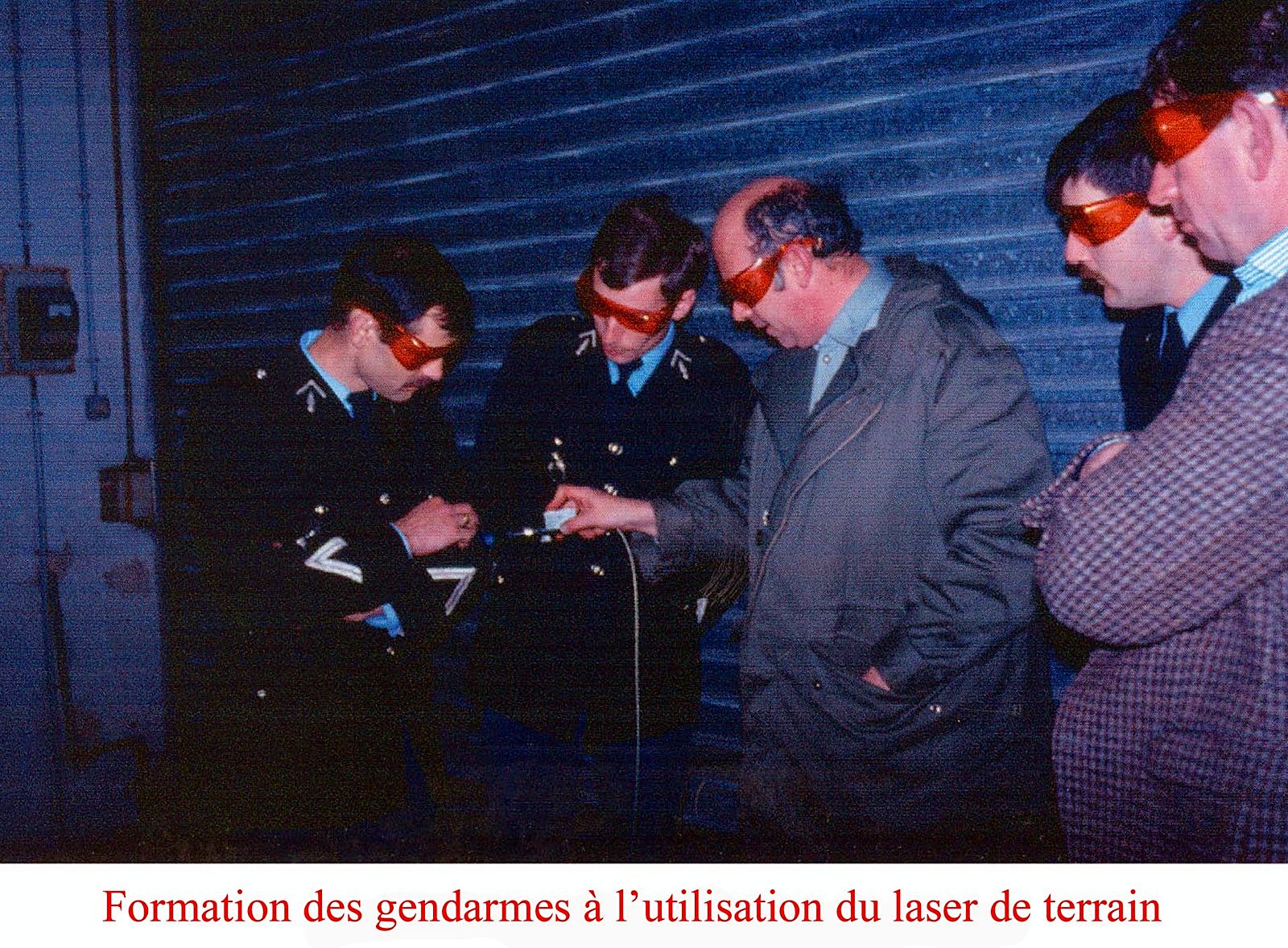
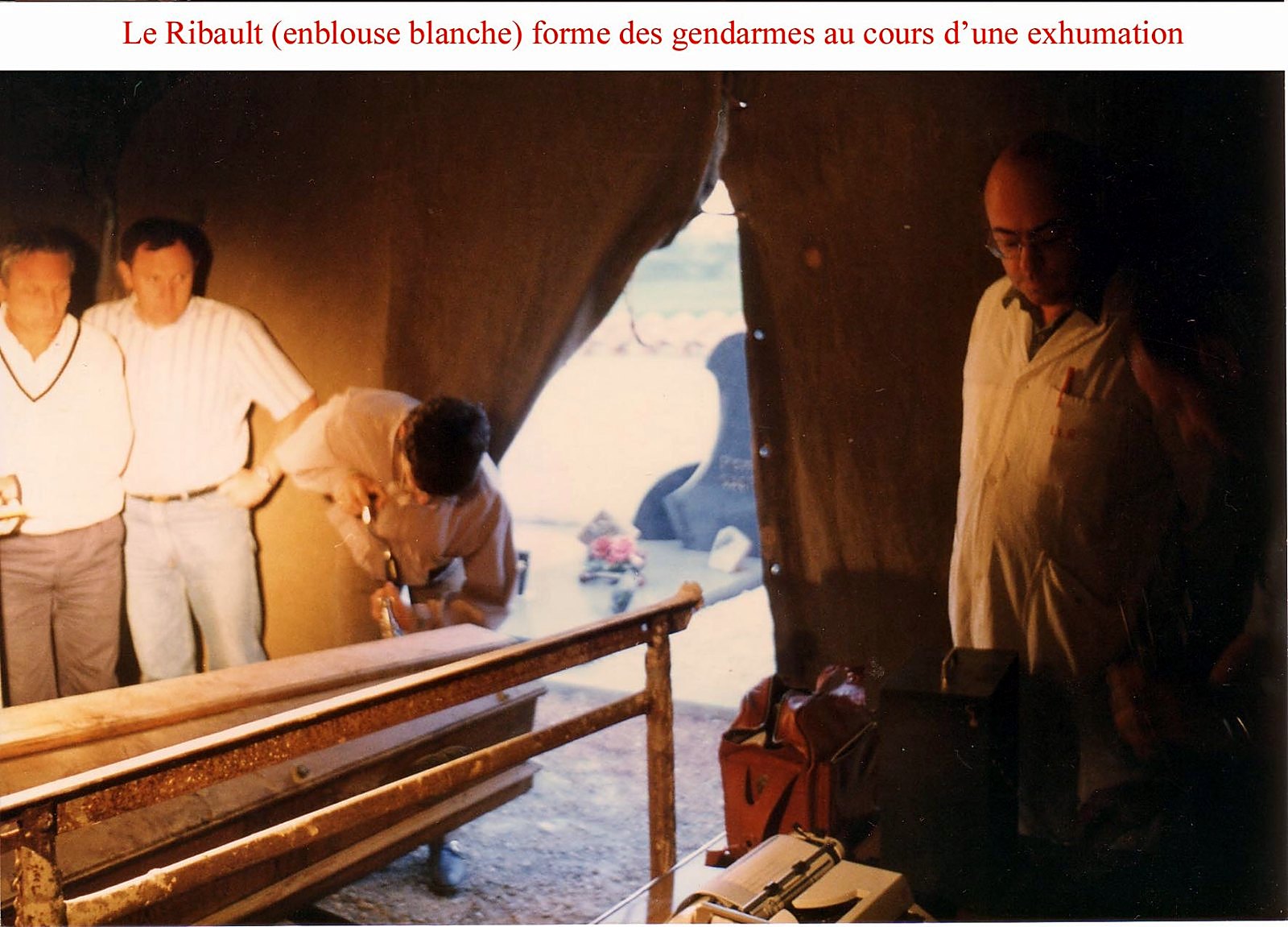
For the D.G.G.N., the Directorate-General of the National Gendarmerie, which had discovered the C.A.R.M.E. thanks to Captain Laval, it represented a fantastic opportunity to restore its reputation. Overnight the D.G.G.N. passed the word to all its investigation units and, in difficult cases, seized every opportunity to inform judges that the gendarmerie now worked in close cooperation with a high-technology laboratory capable of solving the thorniest problems scientifically.
Gallery